Tim's Truck Capital & Auto Sales, Inc

Blog

Diesel Truck in the Cold Weather Months

Caring For Your Diesel Truck in the Cold Weather Months

As the weather gets colder and the leaves start to fall, we know diesel truck drivers want to start being proactive to get the best performance during winter. We want to help by covering some of the basics and giving you helpful tips to get you through the snow. What are the Most Common Winter Issues for Diesel Trucks? Fuel Gelling/Freezing - During the winter, it’s common for diesel trucks to have startup problems. While newer trucks have features designed to limit this problem, it is still going to be a problem to a certain degree. The very nature of diesel fuel and its composition can create this problem. In order to help combat this problem, fuel companies offer a winter blend during cold months. If you are caught in an extremely cold weather situation, consider leaving the engine idling when possible. While this will limit your fuel efficiency, it also keeps the fuel warm and prevents it from gelling. Additives and fuel treatments can be added to the fuel for the express purpose of preventing gelling and avoid disaster when diesel problems occur in the winter. So, consider having an anti-gel on hand in your truck during the winter months. Most anti-gels will work even if it is below freezing and the fuel in your truck has completely gelled. Build up of Deposits - While this isn’t an issue that is unique to winter, diesel engines suffer when deposits build up in the combustion chamber over time and cold weather exacerbates the problem. This lessens your truck’s fuel economy, which detracts from the appeal of having a highly capable, fuel-efficient diesel truck. In winter, it’s especially important to keep the combustion chamber clean for the truck to run at its best. Dirty Fuel Filters - The most common cause of engine stalls and “no starts” for diesel engines during winter time is a clogged fuel filter. When your fuel is at risk of gelling, a dirty fuel filter can be your worst enemy. To avoid this problem, be certain to change the fuel filter during fall. We also recommend keeping a backup fuel filter in your truck during fall and winter. This way, you’re always covered in the event you need a new filter and the local parts store doesn’t have one in stock. Faulty Glow Plugs - Glow plugs are essential for a diesel truck to properly start, as they heat the cylinders so the fuel will ignite. Just one or two glow plugs that go bad can cause the truck not to start in cold weather. Most modern diesel trucks will alert you when your glow plugs are fault by giving you a check engine light on your dash, however older model vehicles may not. You can use a multimeter to get the resistance of your glow plugs. It’s important to do this yourself, or have these tested somewhere, at the start of the cold weather season to avoid diesel problems in the winter. What can I do to prepare? Test Your Battery Early and Replace it if Needed Test Your Glow Plugs and Replace them if Needed Test Your Block Heater and Replace it if Needed Use Anti-Gel Additive (Or Keep It Close By) Change Your Fuel Filters Switch to a Lighter Weight Oil (Preferably Synthetic) Still have questions or concerns about maintaining your diesel truck during the winter? Then give us a call or stop by our dealership today!

Close-up of a Chevrolet bowtie logo on the front grille of a blue pickup truck

Popular Truck Parts

With so many options to choose from, it can be overwhelming choosing where to buy your truck parts. Here at Tim’s truck Capital, we make it easy by focusing on quality OEM parts and accessories that we know will go perfectly with your truck. Popular Fall Parts Replacements We often see more customers stopping in for check-ups, service, and to install new parts on their trucks during the fall and winter months. During this time, we notice a few parts are particularly popular. Tires Often the most popular purchase during Fall, good tires are essential for safety, performance, and fuel efficiency. While many brands offer all-season tires nowadays, we find plenty of customers still like to have a set of snow tires to stay prepared for New Hampshire winters. Batteries During colder temperatures, your engine will need more current from the battery in order to start. So it is important to check your battery and buy a quality replacement before inclement weather hits. You should also have a professional check to ensure your battery has enough fluid. This will help you avoid having to wait for a friend to jump start your truck in the middle of a snowstorm. Brakes Brakes and brake pads are critical to winter driving and handling. Our connection to OEM parts providers gives us an affordable selection for you to choose from that is guaranteed to fit and function well with your truck. Why is that? Because of the OEM difference. The OEM Difference Original Equipment Manufacturer (OEM) parts are built by the company that initially made the parts for your vehicle. This means you are replacing your components with something that is designed, tooled, and shipped from the same people making what was already in your truck. The OEM parts we carry are precisely the same as the part that came with your vehicle, ensuring quality, reliability, and value from your purchase. The only difference between these parts and one from the original manufacturer is that it doesn’t carry the manufacturer’s logo. OEM parts are just as reliable as genuine parts, plus you often get them for a better value. What about aftermarket parts? While we believe there is an important place for these parts, we focus our time curating OEM parts and accessories we know will serve your vehicle and provide value to you in the long run

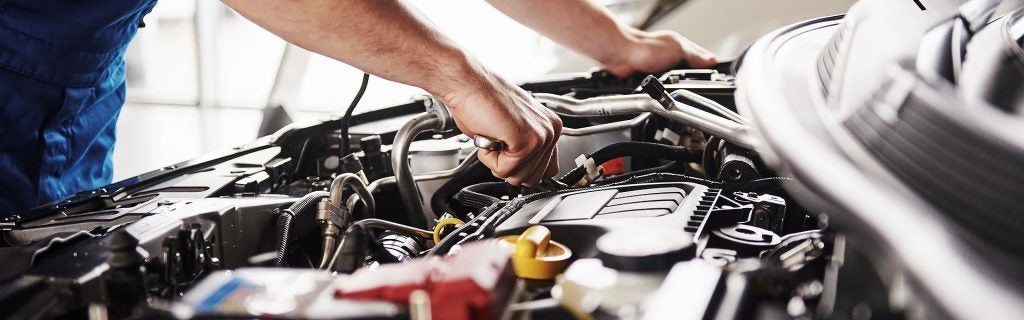
A mechanic in blue overalls, with forearms visible, working on a car engine under the open hood.

Vehicle Maintenance Tips for Fall

As the leaves start falling and the air starts getting cooler, you may be thinking thoughts of pumpkin spice, caramel apples, and the coming holidays. But you should also be thinking about your vehicle. Now is the time that you need to tend to some important maintenance so that you can get your car ready for winter and make sure that you don’t find yourself stranded on the side of an icy road. Here are a few vehicle maintenance tips you need to take care of this fall to prepare for the long winter months ahead: Check the Heater and De-Icer It’s going to get cold, no matter where you live. Obviously, it will get much colder in the winter if you live in Maine than it will if you live in Arizona. But temperatures will drop no matter where you live, and you will need a heater in your car. Don’t wait until the winter to find out it’s not working. The same goes for your de-icer. You will need it to quickly clear up your windows on those cold mornings. Get them both checked out now and make any necessary service. Add Fuel De-Icer Monthly You can also get ice in your fuel tank when the temperatures drop below a certain level. Any moisture that has built up in your fuel tank can turn into ice. Then you get ice in your fuel line, which can cause a lot of problems. Add a bottle of fuel de-icer to your tank each month to keep this from happening. Check the Battery Batteries are more prone to failure during the winter. Make sure that your battery is healthy now. You’ll need to take your vehicle to a service center to have the battery tested. Only a professional can determine whether the fluid is at the right level and how much life the battery has left in it. Check the Tires and the Spare Winter roads can become icy and snowy, which can make it hard for the tires to grip the road. If the tread on your tires is low, you will be in danger on the roads this winter. Check the tires now to make sure they have a healthy tread depth. Also check on your spare tire to make sure it’s ready to go in case of a flat. Replace or Clean the Wipers Visibility will often be reduced during the winter months. It will only be worse if you have old or dirty wipers that are leaving streaks on your windshield. Clean or replace your windshield wipers now to ensure you have a clear windshield. Wash and Wax Your vehicle is going to get a lot of snow, mud, and salt during the winter months. Wash it now so that you aren’t compounding the debris on your exterior. Wax your vehicle to give it a layer of protection against the winter elements. Don’t try to do all the vehicle maintenance yourself this fall. Bring your vehicle into Tim’s Truck Capital to get full service. Our team will ensure that your vehicle is in top condition, both for this winter and for many winters beyond. We service all makes and models. Visit us today! Back to Blog

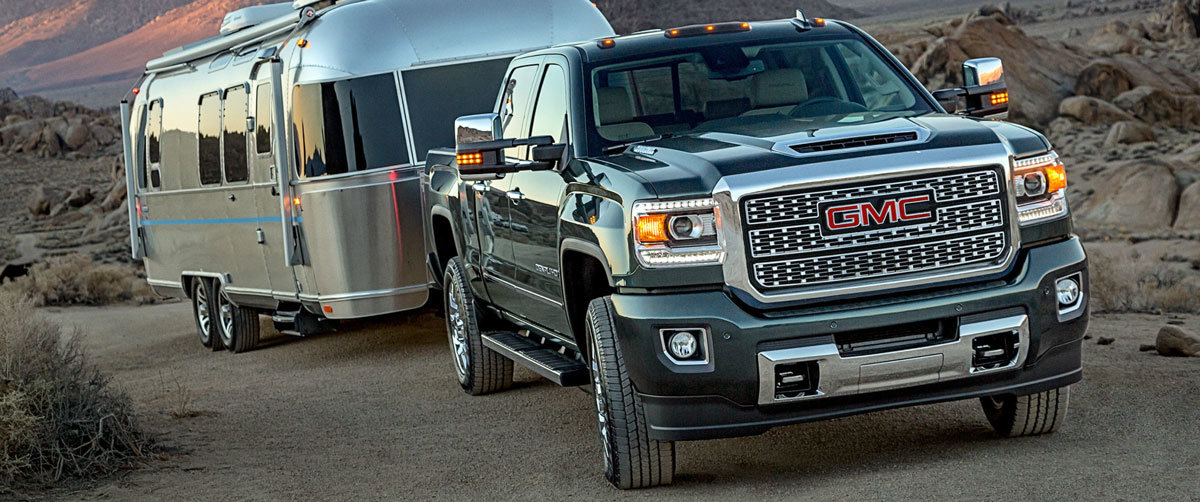
Diesel pickup truck showcasing performance and long-lasting engine.

Why You Should Buy a Used Diesel Truck

When you’re shopping for a truck, the size of the cab and whether it’s four-wheel drive or not aren’t the only considerations you have. You have a lot more options, all of which can impact the dependability of the truck, the drive performance, your comfort, and your overall costs. One of the most overlooked choices – yet one that can have a big impact on your overall experience – is whether to choose a diesel or gas-powered truck. Once you look closely at the benefits of diesel, you’ll learn that it’s a much better option than unleaded gas. Here are just a few of the reasons why you should buy a used diesel truck: Better Fuel Economy Trucks aren’t known for getting great fuel economy. Yet the higher gas bills are a sacrifice many are willing to make in exchange for the power and convenience that trucks offer. With a used diesel truck, you don’t have to sacrifice anything. You get 30 to 35 percent greater fuel economy in a diesel truck than you do with a gas-powered truck, which will make up for the slightly higher cost of diesel at the pump and save you a bit more. Reduced Maintenance Diesel engines are far more dependable and long-lasting than gas-powered engines. Diesel engines don’t have things like spark plugs or distributors, which means that there are fewer components that can wear down or break. You won’t have to get service as frequently, which will save you a lot of money over time. You will still need to get maintenance like oil change and new filters, but you can expect the engine to last a much longer time with less attention. More Power A diesel engine gives you more torque than you’d get from a gas-powered engine of similar size. Diesel engines burn fuel in a way that delivers more torque to the driveshaft, and these engines are able to accelerate and maintain power better. With a used diesel truck, you’ll be able to haul heavier loads, and you’ll have a lot more power and control on rugged terrain. Increased Resale Value Thanks to the dependability, power, and lower maintenance needs of diesel trucks, they retain their value more than their gas-powered counterparts. When you buy a diesel truck, you are making an investment, not just buying another vehicle. You can be sure that your investment will bring you many returns over the years, both in terms of what you get from it but also in the payment you get when you are ready to sell. If you are in the market for a truck, you should put a used diesel truck at the top of your list. Visit Tim’s Truck Capital to check out our great selection of used diesel trucks at affordable prices. Our friendly specialists will help you find the perfect truck for your needs and your budget, and they will happily answer any questions you have so that you can make an informed choice. Visit us today to find your perfect truck! Back to Blog General Contact Send Now

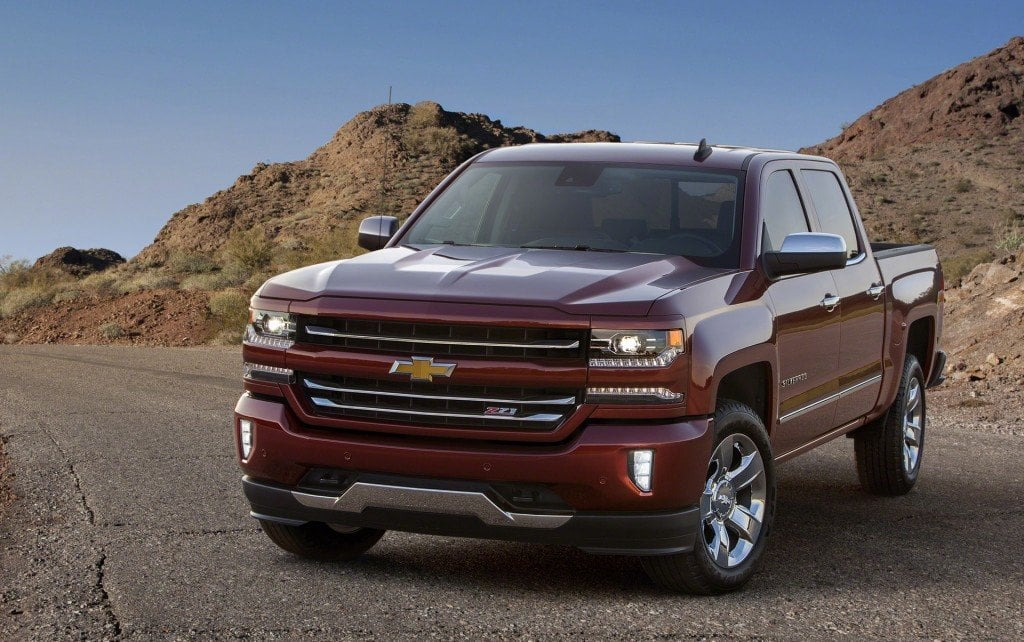
A brown Chevy Silverado.

Small Pickup Trucks

Having a pickup truck can be especially handy for a lot of reasons. Your buddy needs help with a local move? You’ve got a pickup truck ready to go. You want to grab a load of mulch for your garden without having to pay the extra delivery fees? Your own truck will save you money. You can find great deals on used small pickup trucks at Tim’s Truck Capital so that you can have your own truck for whenever the need arises. You won’t be left at the mercy of friends with trucks, and you won’t have to pay to rent a truck every time you need one. You can take care of what you need, and you can become that guy with the truck that everyone asks for a favor. Finding the Right Truck for Your Needs Before you can choose the right truck among the many used small pickup trucks we have at Tim’s Truck Capital, you need to think through the reasons you want to buy a truck. Since you’re looking at small pickup trucks, chances are good that you don’t need the larger, heavy-duty trucks and the massive loads that they haul. Or maybe you’ve ruled them out because you don’t want the huge gas bill, or you just don’t want to pay the higher cost. Small pickup trucks are ideal for carrying smaller loads. You can have a small truck for personal use, such as if you like to do woodworking or you enjoy spending time in your yard. Or you can use a smaller truck for a side business that you’re trying to grow, such as a weekend landscaping company or an organizing service. You can even use a truck for your weekend recreation, like camping or beach trips. The lower price tag on small pickup trucks makes it easier for you to afford a truck as a second vehicle for these occasional uses or for your growing business. Some of the most popular models we carry at Tim’s Truck Capital include the Ford F-150, Chevy 1500, Dodge Dakota, Ram 1500, Dodge Canyon, Dodge Sierra 1500, and the Nissan Frontier. We carry a wide range of models from different years and different manufacturers to help you find the right truck. Shopping with Tim’s Truck Capital You may not know what kind of truck you want when you start shopping, or you may have your sights set on a specific model. Whatever the case, the friendly and knowledgeable staff at Tim’s Truck Capital will walk you through your options and help you understand how the features on each model can meet your needs. We’ll help you find the perfect truck to meet your goals and fit your budget. Once you’ve decided, we’ll help you find the right financing terms to keep your costs as low as possible. Our service department can also keep your truck well-maintained to prolong its life and give you great performance year after year. Visit us today to start your new truck search! Back to Blog General Contact Send Now

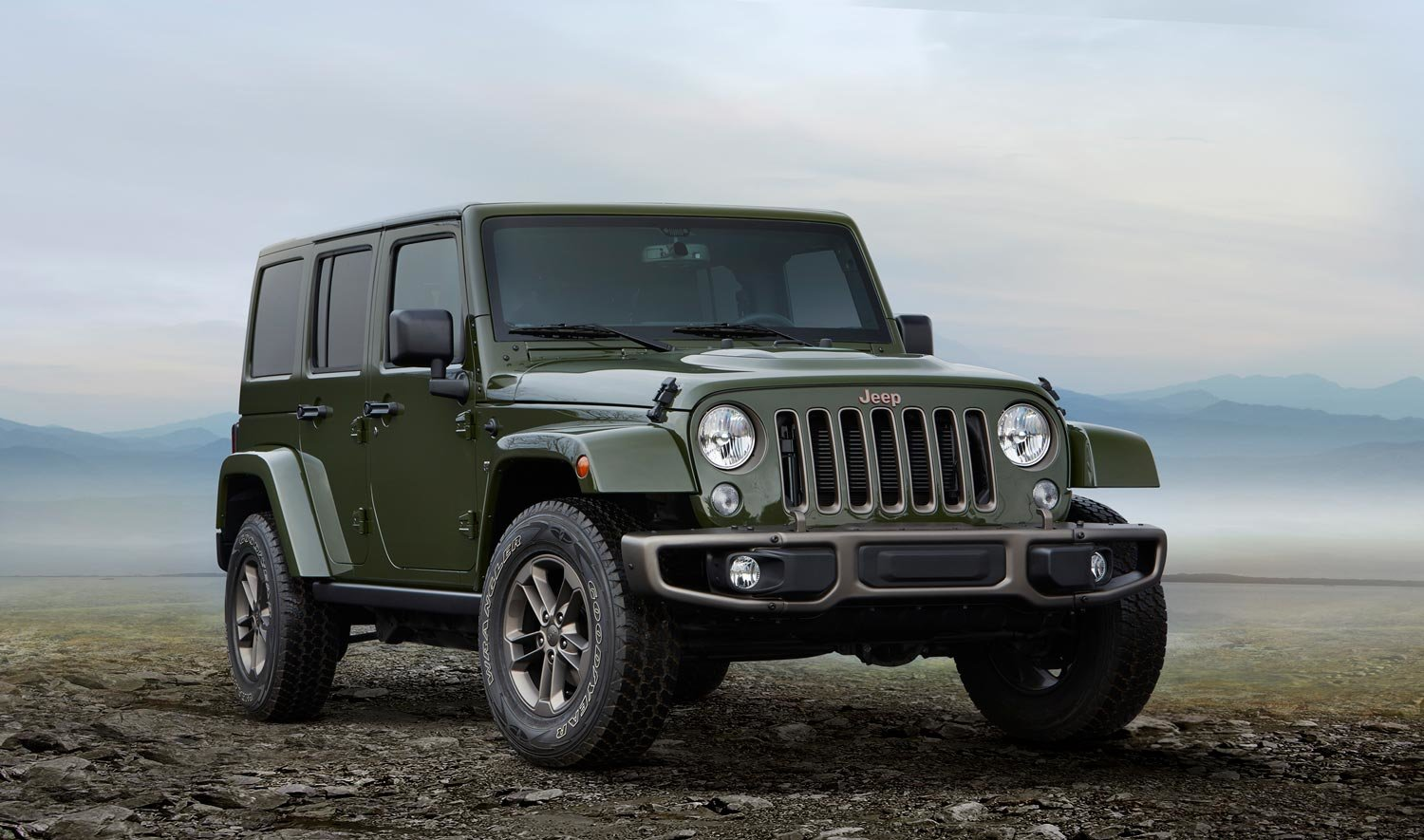
Jeep vehicles including Wrangler and Cherokee showcasing off-road capability.

Used Jeeps for Sale

The Jeep has been one of the most popular vehicles in America for decades. The rugged Jeep is fun to drive, and it can take you just about anywhere you want to go, whether it’s through rugged mountainsides or under the canopy of forests. Jeep has become synonymous with Americana – likely because of its can-do spirit and the fact that you can see it in front of just about any part of the American landscape. Though the Wrangler has been most associated with the classic Jeep image, Jeep has produced a variety of models that have delivered that same great performance, dependability, and unique styling. At Tim’s Truck Capital, we strive to carry a wide variety of used Jeeps for sale to help you find the perfect model to fit your needs. We may have “trucks” in our name, but we offer a wide variety of other vehicles, and Jeeps have always been some of our most popular sellers. Popular Models The Jeep Wrangler has always been one of Jeep’s most popular models, and we carry plenty of them at Tim’s Truck Capital. It is the definitive off-road Jeep, and it is built to take you just about anywhere you would want to go. The powertrain is built for power, and the wheels and suspension are designed for rough terrain. You can even remove the doors, windows, and roofs on some models to get the complete open-air experience, and the interior is designed to be easily hosed down. In the Jeep Cherokee, you’ll see vestiges of the Wrangler, but the design is a bit more grown up. The Cherokee is a sleeker SUV that has some of the same power as the Wrangler, but more of the styling and comfort you want in a daily driver. You can still hop in a Jeep Cherokee to take a weekend trip somewhere nice, and you can even take it for glamping or another outdoor-sy adventure. The Jeep Grand Cherokee is the larger and more luxurious version of the Cherokee. You’ll get a lot more features in the Grand Cherokee, and you’ll have more space for more passengers. You can use the Jeep Grand Cherokee as a daily driver also, or you can use it for a weekend trip to the beach or the mountains. Tim’s Truck Capital carries all of these popular Jeep models, and we occasionally have other choices like the Jeep Liberty, the Compass, the Renegade, and more. Shopping at Tim’s Truck Capital Not only do we strive to carry a large selection of the highest-quality used vehicles at Tim’s Truck Capital, but we also work hard to offer you great financing deals, and our service department can keep your Jeep in great condition for many years to come. We strive to be your home, from purchasing your Jeep to finally trading it in when you’re ready for a new one. Our friendly staff go above and beyond to answer all your questions and meet your needs. Visit us today to shop our used Jeeps for sale or to make a service appointment for your current Jeep. Back to Blog General Contact Send Now

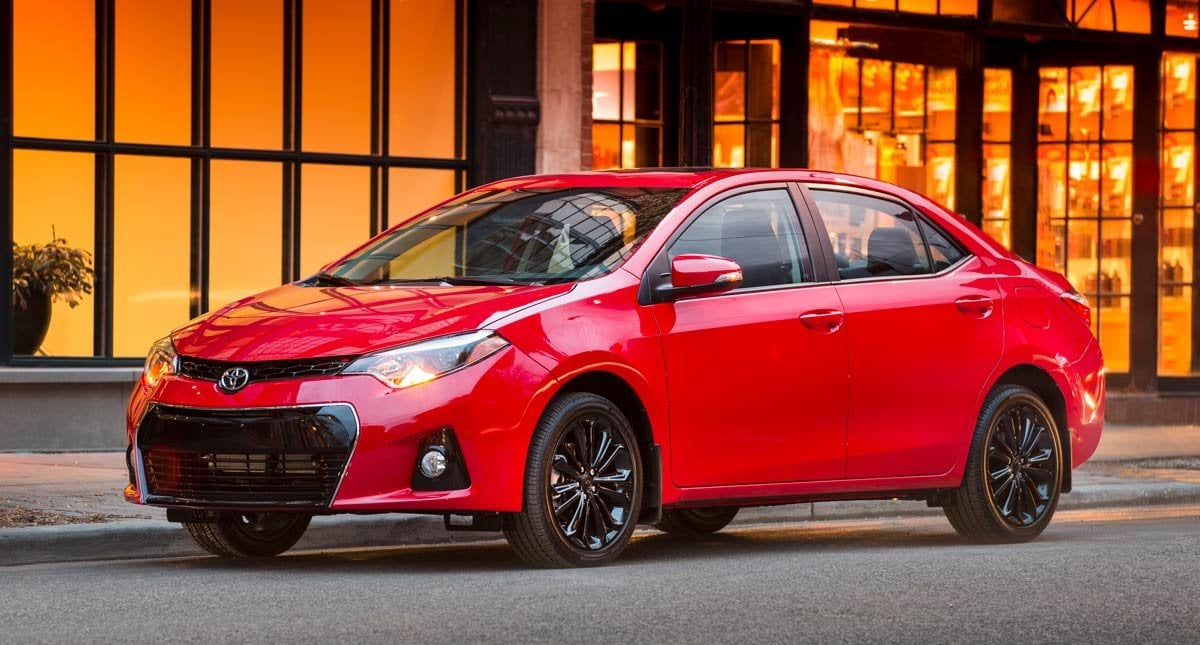
Toyota Corolla parked showcasing sleek design

The Amazing Toyota Corolla

If you search for affordable and reliable vehicles, one of the top results you are going to get is the Toyota Corolla. For more than 50 years, the Corolla has been providing drivers with a dependable ride in a stylish package that’s loaded with great features. It has earned its reputation through years of consistent offerings. Toyota chose the name Corolla because it stands for “small crown” in Latin – a fitting name for a small, seemingly modest vehicle that packs a powerful punch. You get a lot of value in the Corolla, such as smooth handling, many of the latest tech features, and high-class styling for a much lower price than what you would expect. Features of the Toyota Corolla The Toyota Corolla is one of the most popular vehicles ever sold. But that isn’t because it’s a speed demon or a luxury vehicle. The Corolla has always offered a smooth yet spirited ride that makes driving fun. You have enough pep to break you out of the doldrums of your commute, but you also enjoy fantastic fuel economy and a comfortable ride. The Corolla exceeds your needs whether you are driving to work every day or you are taking a road trip with the family. One of the biggest reasons that the Corolla has remained so popular over the years is that It is known for its longevity. You can expect to count on it for at least another 10 years. In many cases, the Corolla has kept going after 20 or 25 years – sometimes even more. The car requires only basic maintenance to keep it in good shape. The parts were made to last, and the history behind the Corolla proves that to be true. Technology on the Corolla Another reason the Toyota Corolla has remained so popular is that it has kept up with the times, both in terms of styling and in terms of its technical offerings. The Corolla doesn’t have all the trappings you’d see in a luxury vehicle, but it does have the standards you’d expect for the times. In recent model years, that means you’ll find a backup camera, Bluetooth streaming, power windows and locks, and sometimes even HD radio and satellite radio. By moving through the levels of trim on the Corolla, you can get even more luxury features. Some modern options include heated seats, leather upholstery, and smartphone integration for the infotainment system. When you shop used Corolla models, you can find all the features you want – even loaded models – for an affordable price. Get Your Toyota Corolla Now Tim’s Truck Capital may be known for its selection of high-quality trucks, but we also sell a wide variety of sedans and other models. We have a great selection of used Toyota Corolla models, and we can help you find the perfect configuration for your needs and budget. Visit us today to explore our inventory and to work with one of our friendly specialists to find the perfect car.

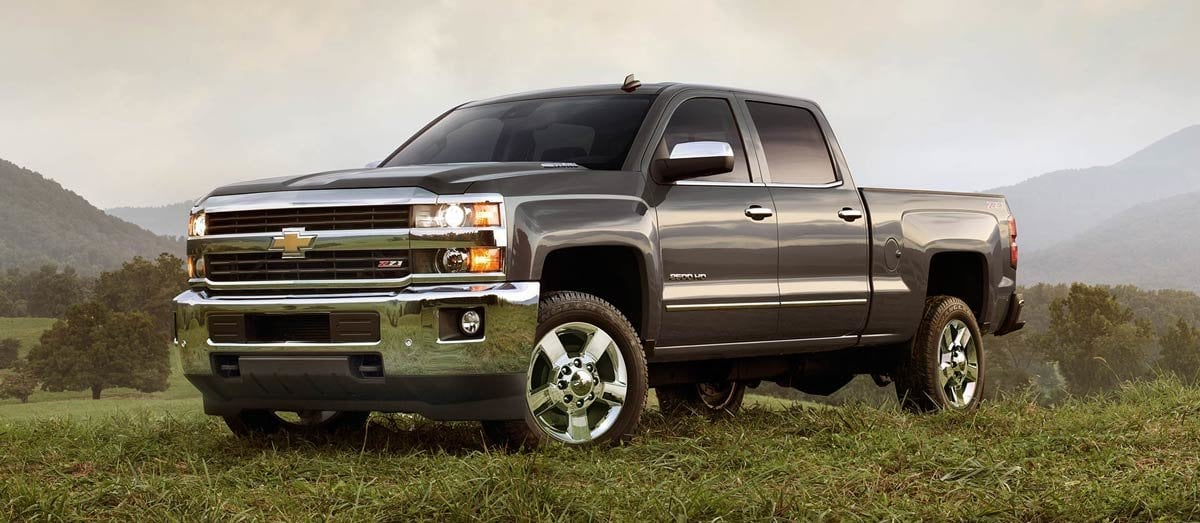
Gray Chevrolet pickup truck parked on rocky desert terrain under a blue sky.

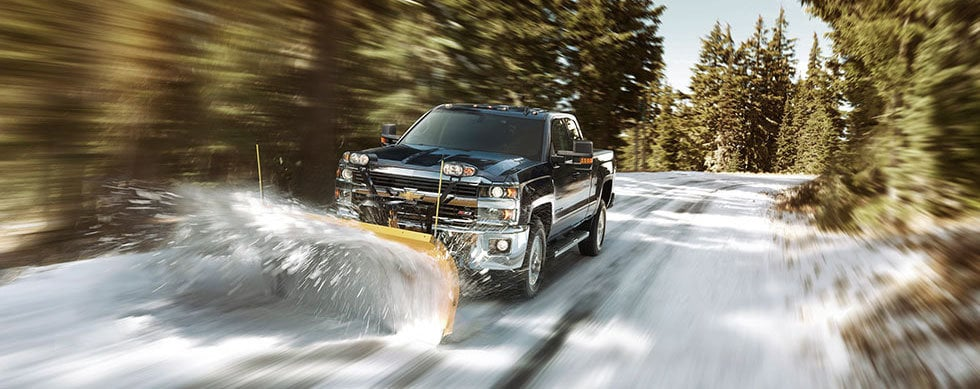
Plow Trucks and the Offseason

Plow trucks can be very useful for the long winter months. They can be helpful in plowing your own property, but they can also help you with your work if you do different types of labor jobs. The offseason can be a great time to buy or upgrade your plow or plow truck. Learn more about this below. Parts of a Plow System A snow plow system for your truck is made up of plow blades, lights, a frame, and any accessories you may need. Newer plow systems have a frame that you can attach to your truck. This frame can be on your truck permanently, and you can remove and unhook the plow and lift pump when you are not using it. Since the plow system covers up your lights, you have to mount lights on the plow to use this vehicle at night. You may also add accessories to make your job easier. Factors to Consider Before Upgrading Above, we discussed how the basic plow system works for you, but there are other things to keep in mind when you are purchasing because you want a plow truck that works best for the specific tasks you will use it for. Check out a few different factors below. What Jobs You Will Use Your Plow For? When you are buying a plow truck, you first need to think about how you will be using it. Will you be using this simply for your own property, or will you be doing commercial plowing? You also need to think about if you will be plowing on paved, gravel, or dirt surfaces. Once you start to determine the type of plowing you will be doing, it will help you make a more educated decision about your purchase. Does Your Truck Have the Capability You Need? You also need to think about your truck’s capability. Does your truck have the right horsepower and torque to do the job you need? What kind of fuel efficiency will you be looking for in your truck? The truck is an essential part of your plowing experience, so you will need to think about it carefully. Why Type of Blade Will Work Best for You? You also need to think about the plow itself to make sure it can perform the work you need it to. Above, we talked about the types of conditions you may be working in. This is important to consider because you can get a plow blade that helps make your work easier. There are straight blades and multi-position blades depending on the type of work. There are also different accessories that could help with some of your jobs. The summertime can actually be a great time to buy a plow truck. This is because it is not the busy season for plow trucks, and you can get some great deals. You also have time to shop around and find out more about your different options. You are not in the midst of a busy season right now, so there is not all the pressure to buy the first thing you see. As discussed above, there are some different factors you need to consider before buying a plow truck, but you can feel free to ask questions to knowledgeable plow truck dealers. The winter months are not too far away, and the hot summer deals are out and about right now. At Tim’s Truck Capital, we have plow specialists on hand all of the time to help you with any questions you may have about upgrading your plow truck or plow system. We also have a dedicated service staff so that you can keep your vehicle and your plow system running as it should be in the wintertime.

4x4 Trucks and SUVs

4x4 Trucks and SUVs

Back to Basics: Four-Wheel Drive You may think you know what a four-wheel drive vehicle does, with images of heavy-duty trucks off-roading through the wilderness in your mind. Yet when you hear terms like “all-wheel drive” or “4x2,” you may get confused and question what you really know. The truth is, that drive systems are more complicated than they first appear, and knowing the difference between them can help you find the right vehicle to suit your needs. How Four-Wheel Drive Works A four-wheel drive vehicle gets power to all four wheels equally. The engine transfers power to the transmission, where a transfer case divides power equally to the front and rear axles. All four wheels have the same power, which makes the vehicle better able to power through tough conditions, such as unpaved roads, muddy ditches, and hills. Four-wheel drive, or 4X4, is ideal for tough situations and those with low traction. Activating Four-Wheel Drive Many vehicles that are advertised as four-wheel drive actually are only part-time four-wheel drive. They usually come with a button or switch that lets you turn the four-wheel drive mode on or off. The reason is that four-wheel drive is not ideal for use in all situations. For example, if you have to make a tight turn, the system would make that very difficult. The inner wheels, which have to cover more ground, would have the same power as the outer wheels, and that would cause them to slip. Therefore, you need the ability to turn the system on or off to get optimal performance in every scenario. Many four-wheel drive systems also have a “high” or a “low” setting. 4WD High is designed to compensate for the different rotational rates of the tires when you make a turn or you are driving at higher speeds. The mechanism is called “limited slip,” and it typically accounts for the differences between the inner and outer wheels. 4WD Low is designed for more power at lower speeds, such as if you are trying to get out of mud or you are climbing a rocky hill. Other Drive Modes Besides four-wheel drive, or 4X4, and all-wheel drive, you may see other drive trains, such as 4X2 or IWD (individual wheel drive). A 4x2 drivetrain is what you find in most vehicles. It means that there are four wheels, but only two of them are getting power. You would usually think of this as rear-wheel drive or front-wheel drive, meaning that only the rear wheels are powered or only the front wheels are powered. Individual wheel drive is similar to all-wheel drive in that each of the wheels gets power based on their needs, but the wheels are powered by different motors that are working independently. A major benefit of this system is that if one wheel fails, the other wheels can still drive the vehicle to a repair shop. Finding the Right Vehicle for You At Tim’s Truck Capital, we really know trucks, and we can help you find the right truck for you, including the right drive train. We’ll help you think through how you want to use the truck and then find the perfect model to fit your needs and your budget. General Contact Send Now

Close-up, angled view of a car's metallic gears from a disassembled transmission casing.

Manual Transmission Synchronizers

Manual Transmission Synchronizers If you’ve ever driven an older car with a manual transmission, you know that changing gears is not always smooth. You may struggle with the gear shifter, feeling like it’s sticking between gears or that it needs a little pushing to move. Or you may notice that the vehicle takes a moment to catch up when you change the gears, maybe even sputtering a little. One improvement that has been made over the years is the addition of a synchronizer to the manual transmission. A synchronizer helps the manual transmission work more smoothly so that you can change gears easier and you can accelerate faster. By helping the transmission to work more smoothly, the synchronizer also helps in slowing wear and tear on your transmission, which can help you save lots of money in the long run. How a Manual Transmission Synchronizer Works The construction of a manual transmission is complicated. Essentially, a series of gears are positioned on an output shaft and are intertwined with gears on a countershaft. When you change gears, a slider, or shift sleeve, moves over the gear you have selected and locks it to the output shaft. A synchronizer adjusts the speed of the shaft so that the gears align more quickly as you shift. The slider pushes against the keys or balls in the synchronizer, which then push against the blocker ring. That ring then pushes against the gear’s cone, and the friction it causes helps the shaft speeds to equalize. The notches in the block align when the shaft speeds are equal, and the slider teeth mesh with the block ring. The whole process works more smoothly, giving you better performance and reducing the wear and tear on the transmission. Double Clutching on a Manual Transmission Double clutching was once used to achieve the same results that a manual transmission synchronizer produces. In regular shifting, the driver pushes down the clutch and then changes the gear with the shifter knob. With double clutching, the driver pushes down the clutch and then uses the shifter knob to change the gear to neutral. The driver then pushes down the clutch again and shifts the vehicle into the desired gear. Double clutching produces some of the same results as a synchronizer, helping the vehicle to shift into gear more smoothly and reducing some of the wear and tear on the transmission. Protecting Your Transmission Over time, your transmission will wear down no matter what you do. But taking measures to reduce wear, such as shopping for a vehicle with a manual transmission synchronizer, can help you preserve your transmission and save a lot of money in the long run. You should also bring your vehicle in for regular transmission service. You should bring it in for the recommended maintenance, and you should bring it in as soon as you notice any issues with the transmission, such as the vehicle driving or shifting differently. Tim’s Truck Capital has an exceptional service department that will keep your vehicle running great with regular transmission service and other routine maintenance. We service all types of vehicles, including those with manual transmission synchronizers. Call our service department today to schedule an appointment for your vehicle. General Contact Send Now

What is a Sequential Gearbox and How Does it Work?

Unless you’re someone who loves tinkering with cars, the words “sequential gearbox” probably sound like Greek to you. However, you likely do know the term “manual transmission.” You know that in a car with a manual transmission, you use a clutch and shifter knob to move the car through the gears while you’re driving, going from first to second and up to fourth. Not everyone likes driving a car with a manual transmission, but everyone typically knows what it is. A sequential gearbox is similar to a manual transmission, but it’s a bit different. In a car with a manual transmission, you shift the car through the gears in an “H” pattern. The top left position is first, and then you move straight down to second. To get to third, you shift up, to the right and up again. Fourth gear is straight down from third. In a vehicle with a sequential gearbox, you just hit a lever or a paddle to click through each of the gears in order, whether you are up-shifting or down-shifting. Typically, you are going to find a sequential gearbox in a car that is designed for high performance or in a race car. In Formula One race cars, the shifters are located on either side of the steering wheel. The driver hits the lever on the left of the steering wheel to shift up and hits the lever on the right of the steering wheel to shift down. In other vehicles with a sequential gearbox, there is an actual lever that the driver either pushes forward or pulls back to shift up or shift down. Advantages of a Sequential Gearbox Many find a sequential gearbox easier to control than the regular manual transmission. Some people briefly stumble when they move from second to third, having to remember quickly the right shifting pattern. With a sequential gearbox, there is nothing to remember. You just push a paddle or a lever. A sequential gearbox also prevents you from jumping gears when you are up-shifting or down-shifting. With a manual transmission, you can skip right from first to fourth gear if you want – though you will likely get some pushback from the car. With a sequential gearbox, you have no choice to skip gears. You have to move through each gear, and you’ll enjoy much smoother shifting and performance. Upgrading to a Sequential Gearbox If you currently drive a car with a manual transmission, you may be able to upgrade to a sequential gearbox to get better performance. You should talk with a mechanic about whether it’s possible for your vehicle and how it might improve your driving experience. The expert mechanics at Tim’s Truck Capital are happy to help. They know the ins and outs of transmissions and can help you make the best choice for your vehicle. Call us today to make an appointment with one of our friendly and knowledgeable mechanics and learn about your options.

Torque vs. Horsepower: Which is More Important in Towing?

When you hear about a vehicle’s power, you hear about two things most frequently: Horsepower and torque. Both power the vehicle in different ways and deliver different results. So whether you want a vehicle that has higher horsepower or better torque depends on what you want the most out of your driving experience. Towing heavy loads requires a specific kind of power. Consider the mechanics of horsepower and torque to determine which is better for towing: What Are Torque and Horsepower? Horsepower is the metric that gets the most attention when it comes to determining the power of a vehicle – primarily because it influences the everyday driving experience more and most drivers don’t understand the technical specifics of torque. Horsepower will help a vehicle drive faster and get started from a stopped position faster. Torque refers to the distance of the pistons in the engine. The farther the pistons move, the greater the torque the vehicle has. A vehicle with higher torque can take on more weight and move easily without revving the engine. Whereas, if you are relying on a vehicle with high horsepower with lower torque, you may be able to take on the load, but the vehicle will strain more and you’ll rev the engine high. Think of it like the difference between a guy who wins an arm wrestling match in a quick slam down and one who wins after straining and grunting for several minutes. The vehicle with the higher torque will be able to tow the heavier loads with the quick slam down. What Else Helps with Towing? While torque may be the clear winner over horsepower in terms of improving towing capacity, there are other characteristics of a vehicle that also improve its towing ability. Having a longer wheelbase – the distance between the front and rear axles – will make it less likely that your tow load will weigh down the rear of the vehicle. A rear-wheel drive system will give you more oomph when you are towing heavy loads. You should also look for a vehicle that has stronger suspension and a body-on-frame chassis design, which will provide more strength when towing heavy loads. If you aren’t sure about how to evaluate and select these characteristics yourself, you can look for a diesel truck with great torque and add on a towing package. One of the friendly specialists at Tim’s Truck Capital can help you find the perfect truck, SUV, or other vehicle to meet all your needs. We can help you find a vehicle that will easily haul the type of loads you expect to two, as well as meet the other requirements you have, including passenger capacity and convenience features. We’ll help you find it all at a price you can afford, and our finance specialists can help you find the terms to make it fit into your monthly budget. Visit us today to explore your options and find your ideal vehicle today.

Contact Us

Fill out this form below and we'll contact you shortly
*Required Fields